Zephyr continues to gain traction across the embedded ecosystem, driven by a growing focus on security, portability and long-term maintainability. With increased industry visibility, accessible documentation and hands-on hardware options, 2026 presents an opportunity for developers to explore and evaluate Zephyr in real‑world designs.
Why Now Is a Good Time to Get Started with FRDM Development Platforms
At Embedded World this year, Zephyr had a strong and visible presence. It appeared across technical sessions, partner demos and numerous conversations throughout the event. From discussions on software architecture to hands-on demonstrations, it was clear that Zephyr is playing an increasing role in embedded systems. Alongside this activity, NXP’s 10,000-board giveaway is helping more developers explore Zephyr in a practical, hands-on way.
Zephyr’s Growing Role in Embedded Development
Over the past decade, Zephyr has developed from a young RTOS with basic middleware and a handful of supporters into a far richer ecosystem, enabling a broad range of embedded products and backed by over 50 project members. Developers are drawn by its flexibility, which allows it to scale across different classes of hardware, from resource-constrained microcontrollers to high-end edge processing systems.
In recent technical sessions and industry discussions, several themes have consistently come up:
- Security considerations built into the design process
- Long-term maintainability across product life cycles
- Portability across hardware platforms and architectures
These design characteristics continue to draw interest from developers working across a broad and diverse range of industrial, consumer and IoT applications. As the advantages become increasingly clear to the embedded developer community, service providers, software teams, and system integrators are building expertise around Zephyr to support evaluation and deployment efforts.
Supporting Hands-On Exploration with FRDM Platforms
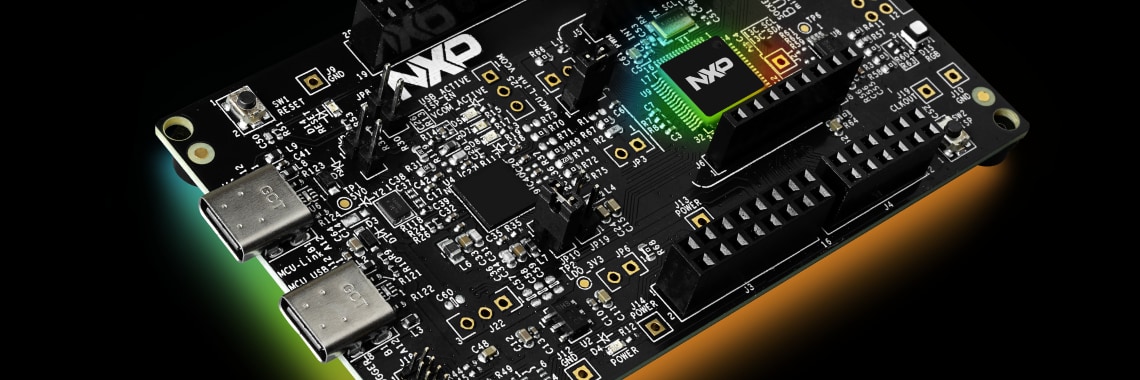
As interest in Zephyr continues to grow, access to development hardware remains a crucial part of the learning process. NXP's 10,000 board giveaway is making evaluation and learning more accessible and easier by placing Zephyr-ready platforms directly in the hands of developers.
Whether a developer picked up a board during the embedded world or is exploring options through the yearlong initiative, these platforms provide an accessible foundation for working with Zephyr in real-world scenarios.
Getting Started with Zephyr
For developers new to Zephyr, having foundational onboarding resources provides a clear path forward. NXP provides a Getting Started with Zephyr Guide designed to walk through the initial setup and development process. The guide includes detailed instructions for:
- Setting up the Zephyr software development kit (SDK) and development environment
- Installing and using west for project management
- Building and flashing a first sample application
- Understanding configuration concepts such as K-config and device-tree
- Exploring Zephyr support across NXP hardware platforms
In addition to the technical walkthrough, developers who access the guide will find a coupon code available within the page that can be used to redeem a free FRDM development board (one per user, while supplies last). This provides a convenient way to move from setup to hands-on evaluation using supported hardware.
Visual step-by-step guide on how to install Zephyr OS and run a demo.
These steps included in this guide are intended to help developers move from initial setup to a working application in a structured and approachable way.
A Practical Time to Explore Zephyr
With continued activity across the ecosystem, available hardware platforms and accessible documentation, this is an advantageous time for developers to explore Zephyr. As for those considering Zephyr for new designs or revisiting it as part of ongoing projects, the combination of open source flexibility, available tools and supported hardware provides a solid foundation for evaluation and development.
Moving Forward with Zephyr
Zephyr continues to evolve alongside the needs of embedded systems, supported by an active community and a broad ecosystem of contributors. For developers interested in exploring open source RTOS options, it offers a flexible framework to build, test and iterate on embedded applications. Starting with a development board and a structured guide can help simplify the first steps leading to ongoing development.